Camping Stove Windscreen: When You Need One and How to Use It Safely
A camping stove windscreen can cut boil time in gusts, but packed wrong it can overheat a fuel canister. Here is when to use one and how to stay safe.
By Harper Lin
Campsidepicks is reader-supported. As an Amazon Associate we earn from qualifying purchases. Learn more.
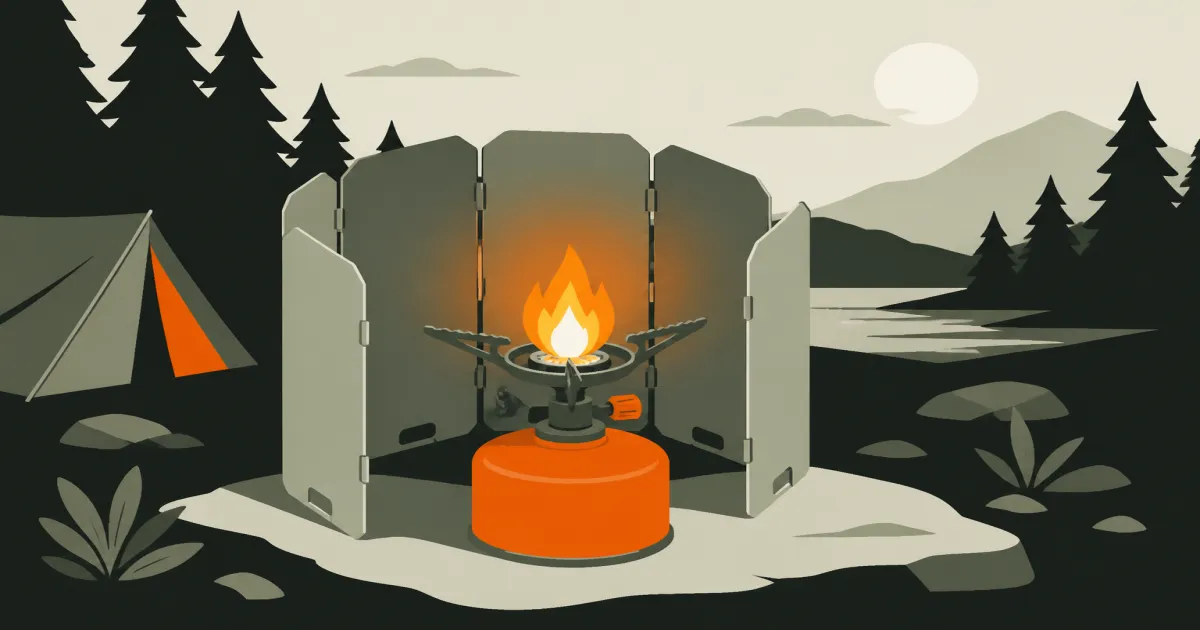
The short answer: A camping stove windscreen is worth packing when wind steals heat from the pot. Keep clear air around upright canisters so reflected heat does not cook the fuel. Skip the screen on calm, sheltered sites.
Wind is the quiet fuel thief. Your burner looks fine. The pot never quite boils. You turn the valve higher, waste gas, and still get lukewarm pasta water. A simple screen often fixes that. The wrong screen creates a different problem: heat bouncing onto a pressurized canister.
This guide covers when a windscreen helps, how to use one safely, and when to leave it in the bin. For choosing a burner, see best camping stove. For canister vs liquid fuel tradeoffs, see camp stove fuel types.
Why wind wrecks boil time
A camping flame needs oxygen and a stable path of heat into the pot. Gusts push that flame sideways, cool the pot wall, and force you to open the valve. You burn more fuel for less heat delivered.
Exposed picnic tables, ridgelines, and lakeshores are the usual offenders. Tree cover and a solid table lip often cut enough wind that you do not need extra gear. Watch the flame for ten seconds. If it leans hard or flickers out under the pot, a screen earns its space.
Windscreens also help in cold weather when every ounce of heat matters, but cold alone does not require a wrap. Stability and clearance still come first.
Safe use with canister stoves
Most car-camp and backpacking kits run upright screw-on canisters. Those cans sit close to the burner. A tall screen that hugs the can traps heat. Manufacturers and experienced stove users warn about this for good reason. Overheated canisters can vent or worse.
Rules that keep you out of trouble:
- Leave a clear gap between the screen and the canister. Do not wrap the can.
- Keep the top of the screen below the pot rim so heat goes into the pot, not into a sealed chimney around the fuel.
- Feel the canister after a few minutes of burn. If it is hot, open the screen or pull it farther away.
- Never run a stove with a full enclosure and no airflow.
- Keep the setup on a stable, non-flammable surface away from tents and dry brush.
Remote canister stoves (hose to a can on the ground) change the geometry. The fuel sits farther from the flame, which lowers reflection risk, but you still need airflow and a stable pot. Follow the stove maker’s notes for your model.
DIY vs purpose-built screens
Foil and cardboard get people through one gusty lunch. Foil shaped into a three-sided wall can work if you keep it off the can and weigh the base. It also tears, melts near flame, and blows away. Treat it as emergency kit, not a system.
Purpose-built fold-out aluminum or steel screens pack flat, stand on their own, and survive repeated trips. Look for adjustable height, hinged panels, and enough width to shield the burner without hugging the fuel. Some pot supports include partial lips that act as light wind breaks. Those are fine when they leave the can open to air.
DIY metal flashing can work if edges are filed smooth and you leave the same gaps you would with a store-bought screen. Sharp tin is a cut hazard in a dark kitchen bin. Round the corners or tape edges before the first trip.
When to skip a windscreen
Skip it when the site is calm and the flame stays under the pot. Extra panels add setup time and another thing to lose. Skip it when your only option would wrap a hot canister. Better to boil slower in open air than to trap heat on fuel.
Also skip heavy freestanding screens on long walk-ins where every ounce matters and you can cook in a rock nook or behind a pack. Terrain windbreaks beat packing a wall.
If your stove already includes a cup-style shield or integrated windscreen designed for that burner, start there. Stacking a second wall is rarely needed and often reduces clearance.
Setup habits that matter more than brand
Place the stove where the table lip or a cooler already blocks some wind. Orient the open side of the screen downwind. Put the pot on before you raise the flame high. Steady pots lose less heat than ones you keep sliding to peek under.
Keep fuel upright for upright canisters. Store spare cans away from the hot zone. Teach everyone at the table that the stove strip is hands-off while burners are on. A windscreen does not replace basic clearance around flame.
Piezo igniters fail in wind. Pack matches or a lighter in the kitchen bin. Light under a partial shield, then adjust panels once the flame is stable.
Common mistakes
Hugging the canister. The classic fail. Leave a gap you can see through.
Sealing four sides. Stoves need oxygen. Leave an open face.
Tall chimney with no pot. Heat rises into empty space and cooks everything nearby. Pot on, then tune the screen.
Ignoring manufacturer warnings. Some stove manuals explicitly say not to use aftermarket screens with that model. Believe them.
Using a screen as a pot support. Screens block wind. They are not a replacement for a stable burner or pot stand.
Cooking under a rainfly with a closed screen. Ventilation and fire risk get worse. Keep flame outside living shelters.
Fuel type and wind strategy
Canister stoves are convenient and popular for weekend trips. They also put fuel closest to the burner on upright designs, so wind protection needs more care. Liquid-fuel stoves often place the bottle remote from the flame, which makes freestanding screens easier to place, though priming and maintenance are heavier chores.
If wind is constant where you camp and you hate fiddling with screens, a more stable dual-burner car-camp stove with a partial factory shield may beat a tiny backpacking burner behind foil. Match the stove to the trip, then add a screen only for the gaps.
For more on choosing burners and fuel for US weekend camping, start from our stove guides and the Campsidepicks homepage.
Bottom line
Use a camping stove windscreen when gusts steal boil time. Keep clear air around upright canisters so reflected heat does not cook the fuel. Prefer a rigid fold-out screen for repeat trips. Skip the wall on calm sites, and never trade safety for a faster pasta boil.
Frequently Asked Questions
Do I always need a camping stove windscreen?
No. Calm picnic tables and sheltered sites rarely need one. Use a screen when gusts keep pushing the flame sideways or boil times stretch past what your fuel budget allows.
Can a windscreen overheat a fuel canister?
Yes. Wrapping a screen tight around a upright canister stove reflects heat onto the can. Leave a clear gap, keep the can cool to the touch, and never enclose the canister fully.
Is foil a safe DIY windscreen?
Foil can block light wind if shaped carefully and kept off the canister. It tears easily and can blow into flame. A rigid aluminum or steel fold-out screen is more predictable for repeat trips.
Should I use a windscreen with liquid-fuel stoves?
Often yes in open wind, with the same clearance rules. Follow your stove maker’s guidance. Liquid-fuel bottles usually sit away from the burner, which reduces the reflection risk common on canister setups.
Where should the open side face?
Face the open side downwind so the flame is protected from the prevailing gust, not sealed in a box. You still need airflow for combustion.
What if my stove has a built-in windshield?
Use the built-in shield first. Add a freestanding screen only if wind still kills performance and you can keep fuel cool with a gap.