How to Brew Coffee Camping: Press, Pour-Over, and Quick Methods
How to brew coffee camping depends on filters, cleanup, and patience. Press is forgiving. Pour-over tastes clean. Instant wins speed.
By Nate Brooks
Campsidepicks is reader-supported. As an Amazon Associate we earn from qualifying purchases. Learn more.
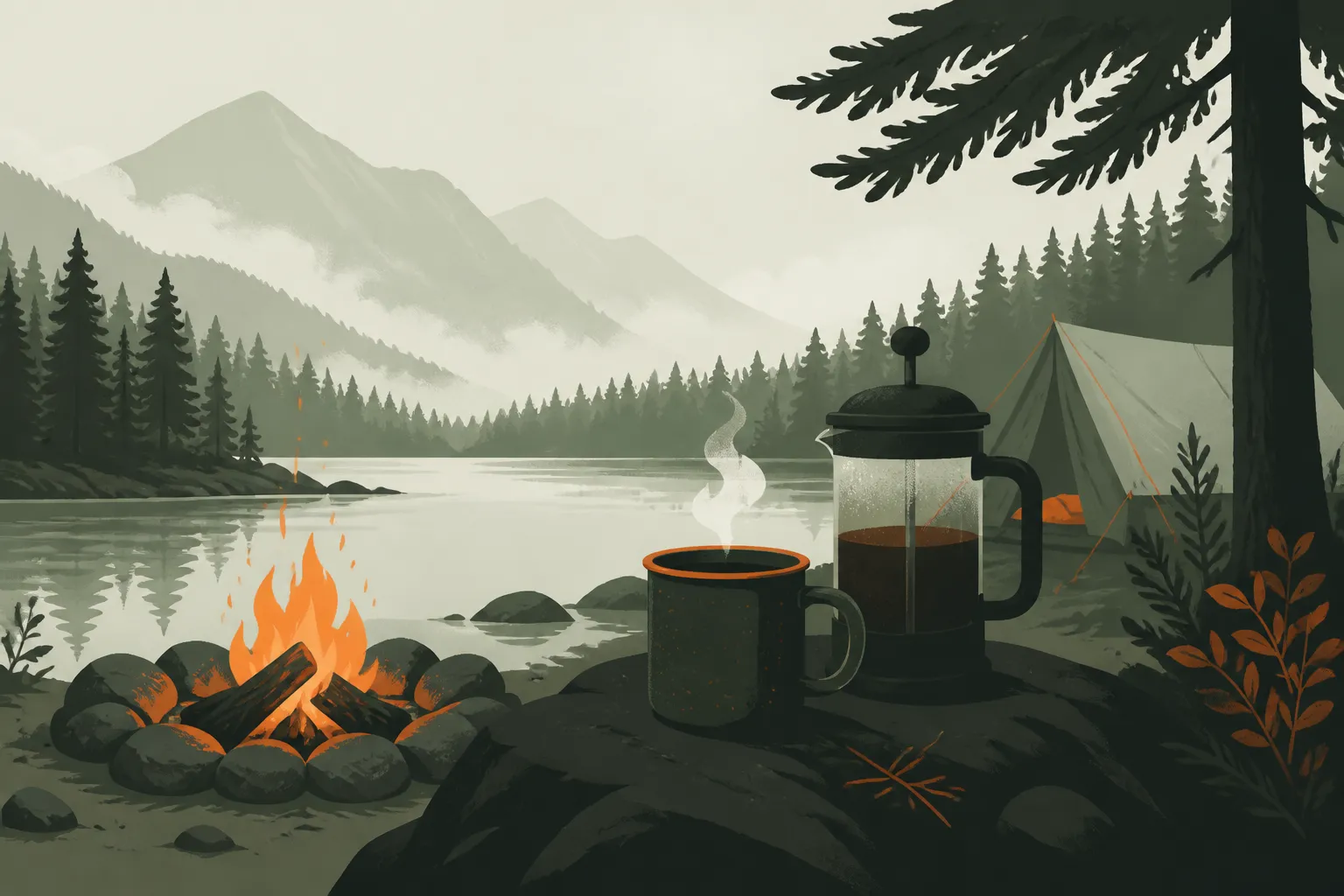
The short answer: How to brew coffee camping starts with reliable hot water, then picks a method you will actually clean. French press needs no filters. Pour-over tastes cleaner. Instant wins when speed beats romance.
Bad camp coffee is usually a process problem, not a bean problem. Water never got hot enough. Grind was too fine for the press. Filters blew away in the wind. Someone brought glass home gear that cracked in the bin.
This guide compares methods so you can match brew style to trip type. For press-specific gear picks, read best camping French press. For table layout and stove zone, see campsite kitchen setup.
Hot water first
Every method needs hot water from a stove or kettle. Lock your heat source before you buy brew gadgets. A weak flame means lukewarm coffee and grumpy mornings.
Heat more water than you think you need for coffee alone. Instant oatmeal and cleanup borrow from the same kettle. A pot with a pour spout improves control and safety over a wide open cook pot.
French press at camp
French press is the default answer when people ask how to brew coffee camping without carrying filters. Add coarse grounds, pour hot water, wait about four minutes, press slowly, drink.
Use a durable outdoor press, not thin glass café ware. Coarse grind like sea salt reduces sludge. If the plunger fights you, the grind is too fine.
Cleanup means packing out wet grounds. Knock them into a trash bag, rinse the mesh, and finish washing at home if water is tight. Press gear rewards campers who hate paper waste in bear-country trash.
Pour-over at camp
Pour-over delivers a cleaner cup and tiny gear footprint. You need a dripper, filters, and a stable mug or carafe. The tradeoff is wind and attention. Pour slowly in circles while someone else holds the filter cone steady if breeze is up.
Filters pack flat. Bring a few extra. Pre-wet the filter with hot water when you can spare ounces to reduce paper taste.
Pour-over wins when taste matters and you accept filter trash. It loses when hands are cold and everyone wants coffee in two minutes flat.
Instant and bag methods
Instant coffee improved in the last decade, but the ceiling is still lower than fresh grounds. For alpine starts or rain-soaked mornings, instant plus hot water is honest gear.
Single-serve drip bags exist and split the difference. They need less setup than pour-over rigs but still want filters and stable cups. Read instructions before dawn. Some bags sit on the mug rim. Others steep like tea.
Percolator and cowboy coffee
Percolators appeal to car campers who like set-and-walk routines. Watch boil cycles so coffee does not over-extract into bitterness. Cowboy coffee (grounds in pot, settle, pour carefully) works in a pinch with coarse grind and patience.
Both methods use more cleanup water than press or pour-over. Fine for drive-up sites. Less fun when water is rationed.
Method comparison
| Method | Gear bulk | Filter trash | Taste | Cleanup |
|---|---|---|---|---|
| French press | Medium | None | Full body | Grounds pack-out |
| Pour-over | Small | Yes | Clean cup | Low if rinsed |
| Instant | Tiny | None | Simple | Minimal |
| Percolator | Large | None | Strong | Higher water use |
Ratios and timing basics
Start near one to fifteen coffee to water by weight if you have a scale. Without a scale, use a consistent scoop and adjust after cup one. Four minutes steep for press is a solid default. Pour-over flow rate matters more than clock watching.
Grind at home when possible. Hand grinders are fine for enthusiasts but add morning labor. Store grounds sealed and away from the soap bottle in your kitchen bin.
Wind, cold, and group brewing
Wind steals heat from kettles and destabilizes pour-over cones. Use a wind screen on the stove and brew in the lee of the car or table when safe. For groups, brew one large batch in a big press or carafe instead of four separate cones.
Insulated mugs keep coffee drinkable while breakfast cooks. Dual-burner stoves help when coffee water and eggs compete for flame.
Common brew mistakes
Espresso-fine grind in a press. Sludge and stuck plungers follow.
Boiling water violently onto grounds. Bitterness increases. Rest ten seconds off boil.
Glass press in a gear bin. It breaks. Buy outdoor-rated metal or plastic designs.
Dumping grounds near water. Pack out waste.
Skipping cleanup of mesh screens. Dried fines clog the plunger faster than anything.
Building a camp coffee kit
Start with heat, then add brew gear. A small kettle or pot with a spout, your chosen brew method, coarse ground coffee in a sealed tub, and one insulated mug per person covers most weekends. Keep coffee separate from dish soap in the bin so lids never taste like lemon.
Test the full routine in the driveway once. Time how long press coffee takes while breakfast cooks. Adjust method if the queue annoys you. Gear you skip in practice should leave the bin.
Bottom line
How to brew coffee camping is choosing a method you will repeat when tired: press for filter-free simplicity, pour-over for a cleaner cup, instant for speed. Hot water from a reliable stove ties every path together. Pick durable gear, grind coarse for press, pack out grounds, and match cleanup to your water budget.
Frequently Asked Questions
What is the easiest way to brew coffee camping?
Instant coffee plus hot water is fastest. French press is the easiest full-flavor method with no paper filters. Both need reliable hot water from a stove.
French press or pour-over at camp?
Press is forgiving and packs fewer filter supplies. Pour-over tastes cleaner and packs small but needs filters and more pour attention. Choose based on cleanup tolerance and taste preference.
How hot should the water be?
Just off boil works for most methods. Let rolling boil rest ten to twenty seconds before pouring on grounds to reduce bitter scorching.
Can I grind coffee at camp?
You can with a hand grinder, but pre-grinding coarse at home is simpler for mornings. Store grounds in a sealed container away from moisture.
Where do I dump used grounds?
Pack them out in trash. Do not dump grounds in streams or leave piles near tent doors. Follow Leave No Trace guidance for your area.
Do I need a special camping mug?
No. Any insulated mug works. Press mugs combine brew and drink in one vessel, which saves space.